Fluid replacement costs
The price of fluid is only the beginning. Frequent change-outs mean repeated purchasing, mixing, and system downtime every cycle.

True Cost of operations
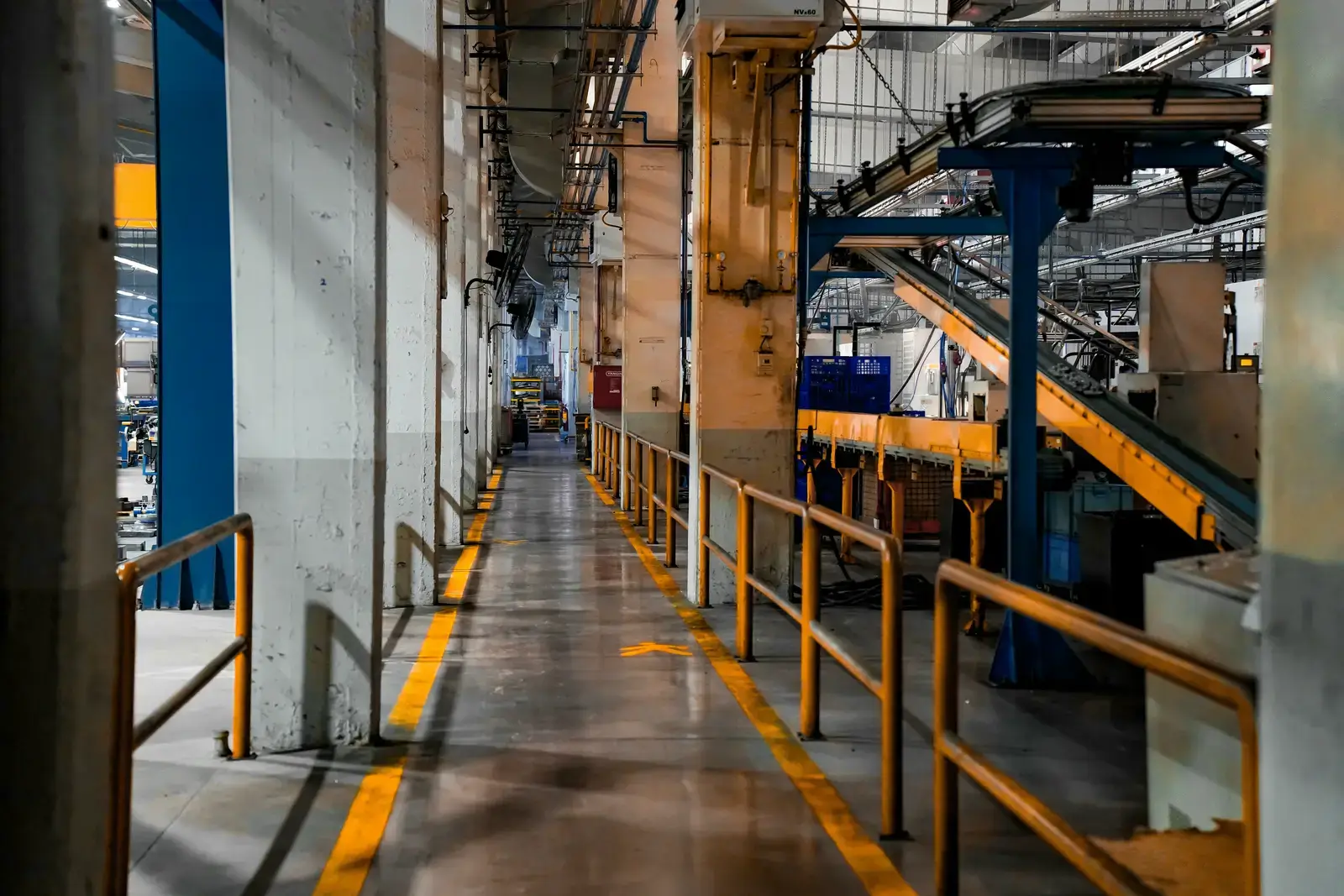
Sustainability & ROI
The IPC platform reduces CO₂ emissions by over 14 tons annually per tank.* The same engineering that eliminates contamination also eliminates the energy, chemical, and disposal costs that accumulate with reactive treatment methods.
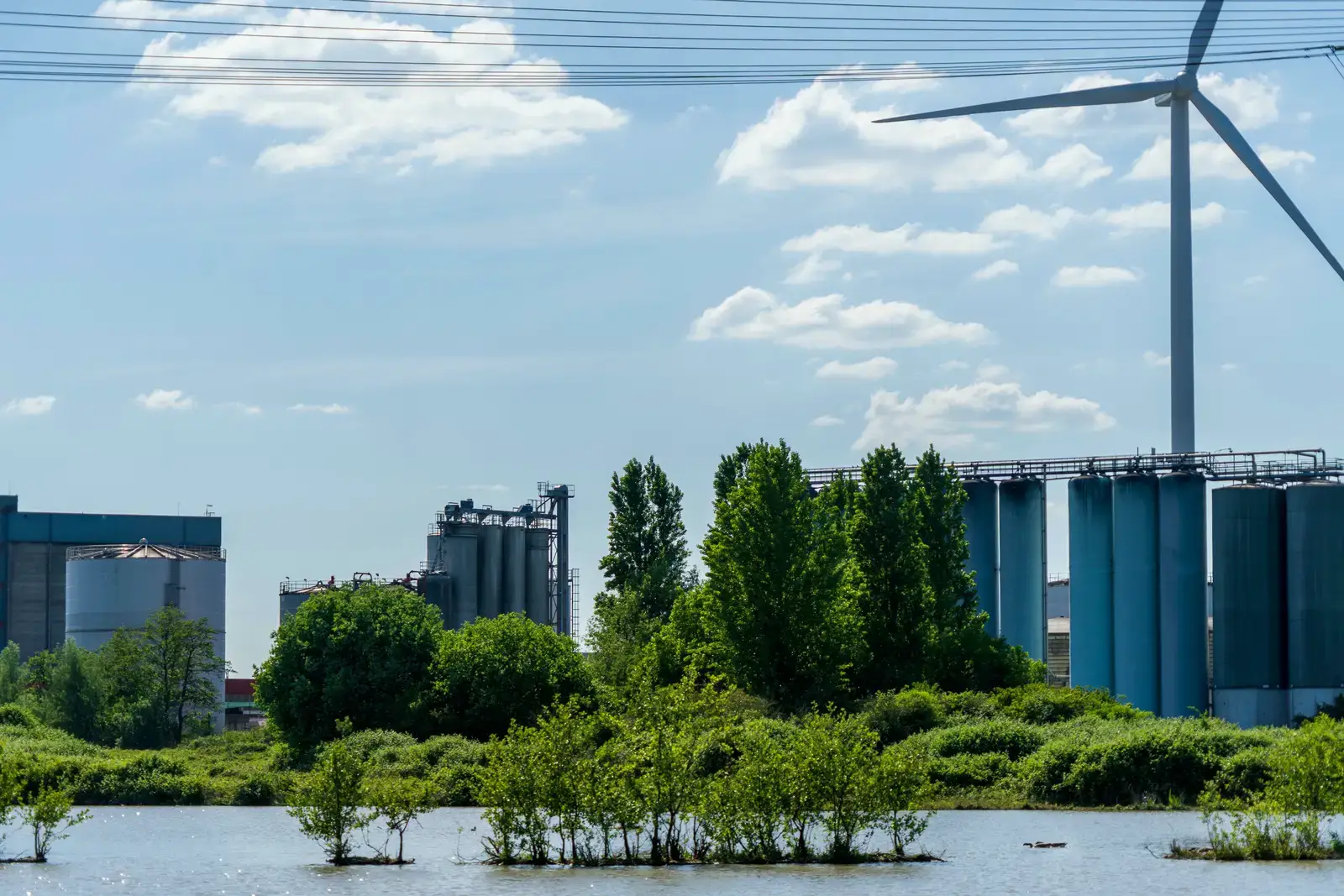
Reduce CO₂ emissions, chemical consumption, and hazardous waste generation - with verified numbers, not estimates.

Every metric the calculator produces maps directly to ESG reporting categories. Your sustainability team can use the output immediately for internal and external reporting.
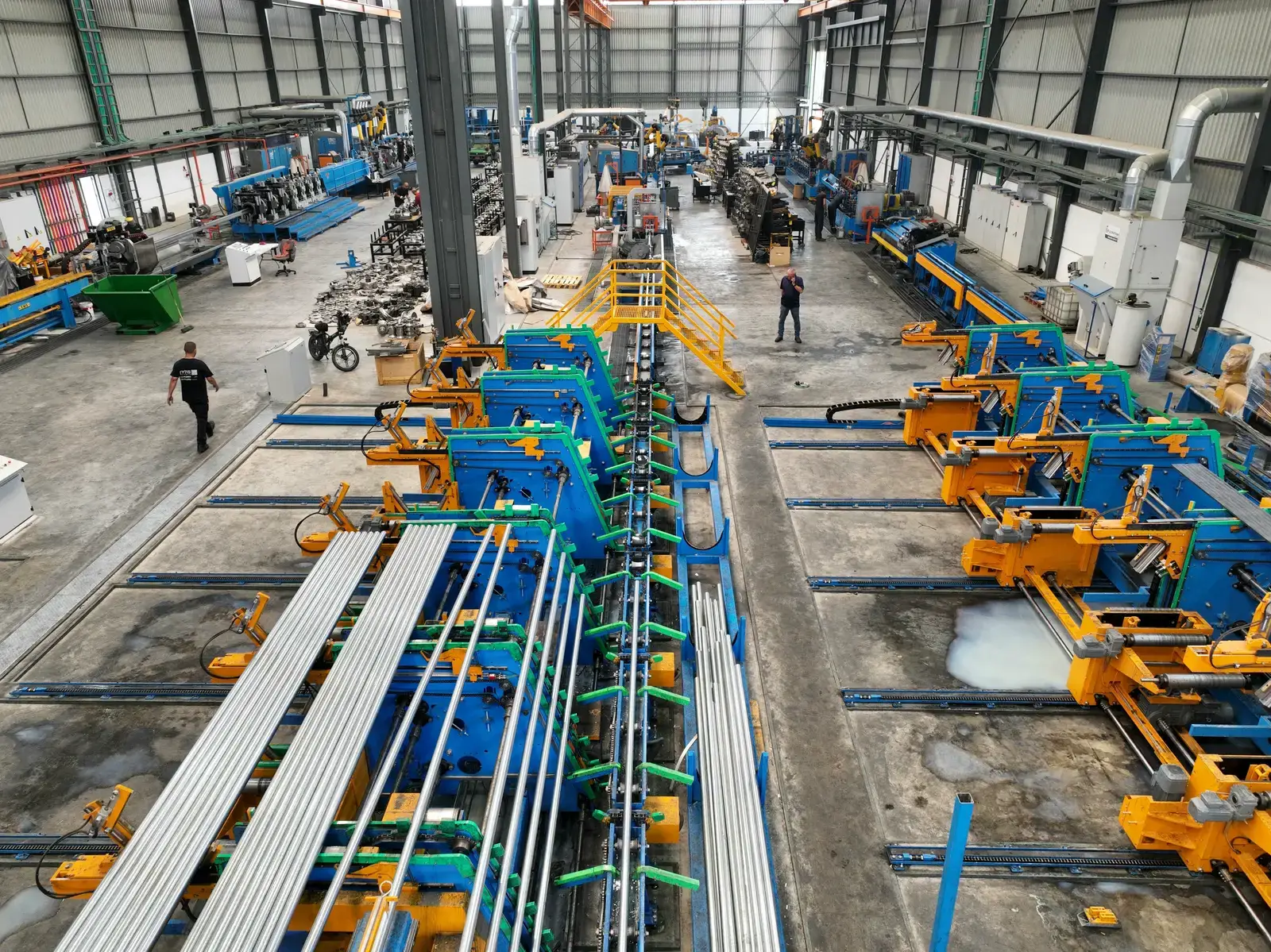
Lower fluid replacement frequency, fewer production stops, and reduced maintenance hours compound into savings that grow every month.
*Results from a validated pilot in a major automotive powertrain production facility. Outcomes depend on system conditions, liquid type, and correct sizing.

True cost
Bacteria don't just degrade your fluid. They degrade your margins. Downtime, disposal, labor, and lost production add up fast.
Spent industrial fluid is classified as hazardous waste. Every disposal event carries transport, handling, and compliance costs that accumulate continuously.
Every tank failure, every disposal event, every hour spent on maintenance adds up to a cost that never appears on a single invoice but accumulates relentlessly across the year.
Degraded fluids cause up to a 40% increase in material rejection rates* - a compounding cost that grows every month contamination goes unaddressed.
Many conventional treatment systems are energy intensive by design. The IPC platform operates at low pressure and low temperature, reducing energy consumption as a direct consequence of how the technology works.
Fluid instability affects surface quality and dimensional consistency in machining and hardening processes. The cost of rejected parts and rework accumulates silently until someone measures it - typically revealing a 40% improvement opportunity.*
*Results from a validated pilot in a major automotive powertrain production facility. Outcomes depend on system conditions, liquid type, and correct sizing.
Calculate your savings
Every operation is different, so we calculate savings in a short technical conversation rather than a generic calculator. Share a few details and an engineer will walk you through a tailored estimate within one business day.
What you'll get back
~5 minutes
same business day
tailored to your brief
Your system
You & your team
A process engineer reads every submission.
Typical reply time: same business day.