ISO 10993-5:2009 Certified
Independently verified non-toxic, non-sensitizity, non-genotoxic, and non-irritating. Safe for human contact and ecosystem exposure.

Cooling towers and public water facilities are not passive systems. They are warm, nutrient-rich, continuously circulated environments – and without effective treatment, they become breeding grounds for pathogens that are costly to manage and dangerous to ignore.
A single poorly maintained cooling tower can amplify Legionella concentrations to levels that pose direct public health risk within days of a treatment gap. Swimming pools accumulate chloramines - not from insufficient chlorine, but from too much reacting with organic matter introduced by bathers. The biological load in these systems is continuous, not occasional, and most treatment protocols are designed to respond to it rather than prevent it.
Legionella outbreaks trigger facility shutdowns, regulatory investigations, and reputational damage that takes years to recover from. Chloramine buildup drives guest complaints, staff health issues, and accelerated corrosion of pool infrastructure. Biofilm establishes itself in pipework and heat exchangers, reducing system efficiency and creating persistent reservoirs for regrowth that surface disinfection alone cannot reach.
Chlorine and biocides suppress surface-level contamination but create toxic byproducts and require constant dosing adjustments to remain effective. UV, ozone, and plasma disinfection can lose efficiency in turbid or high-load water. Ozone introduces safety handling requirements and chemical instability in certain conditions. These approaches manage symptoms but do not eliminate the conditions that allow pathogens to return, they only slow the cycle.
Branilium™ was engineered to break that cycle.
Clean Water Applications
Two applications. The same uncompromising standard.
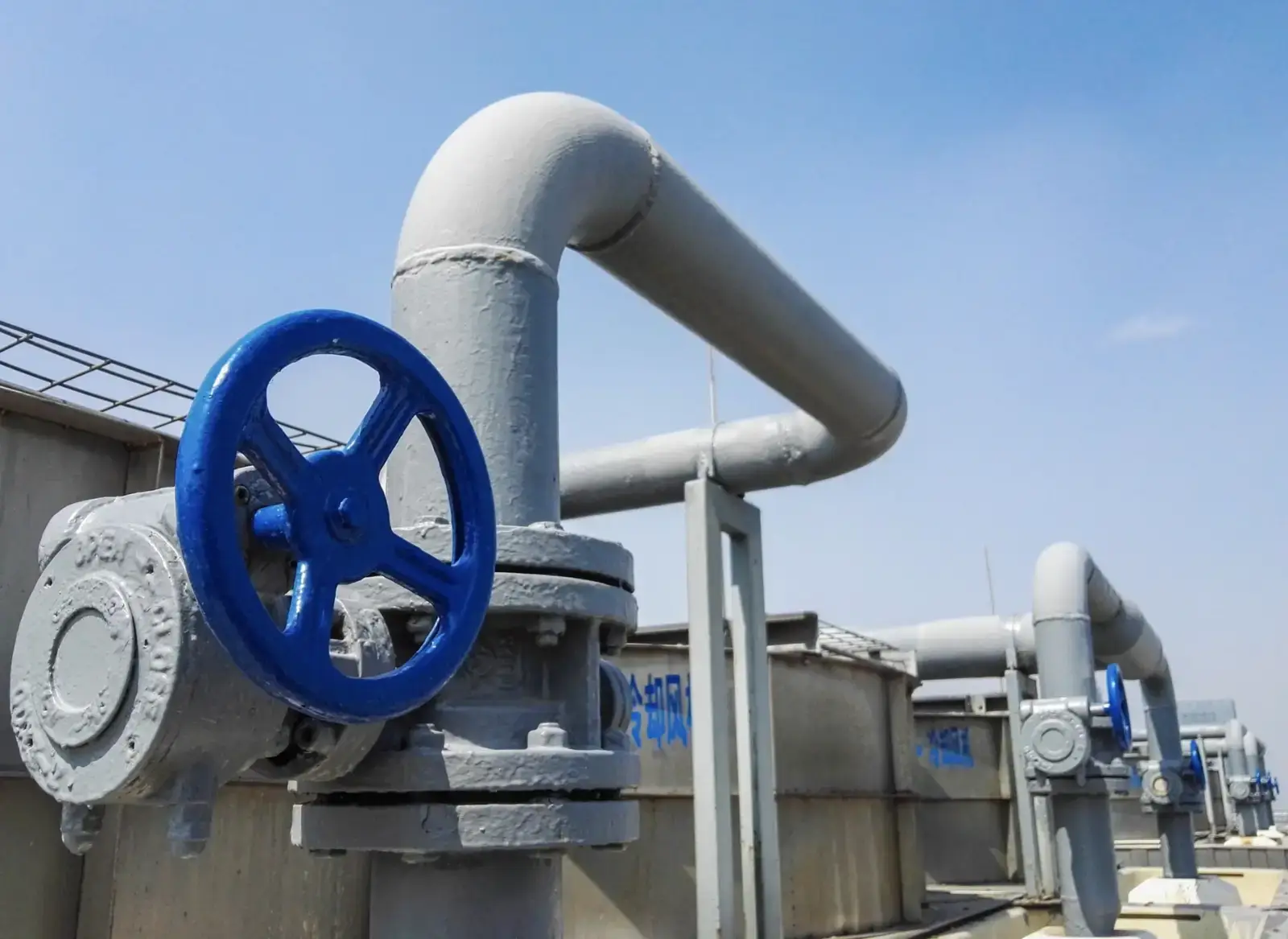
Cooling Towers
Facilities running Branilium™ report continuous pathogen suppression, reduced blowdown frequency, and zero Legionella incidents during operation.
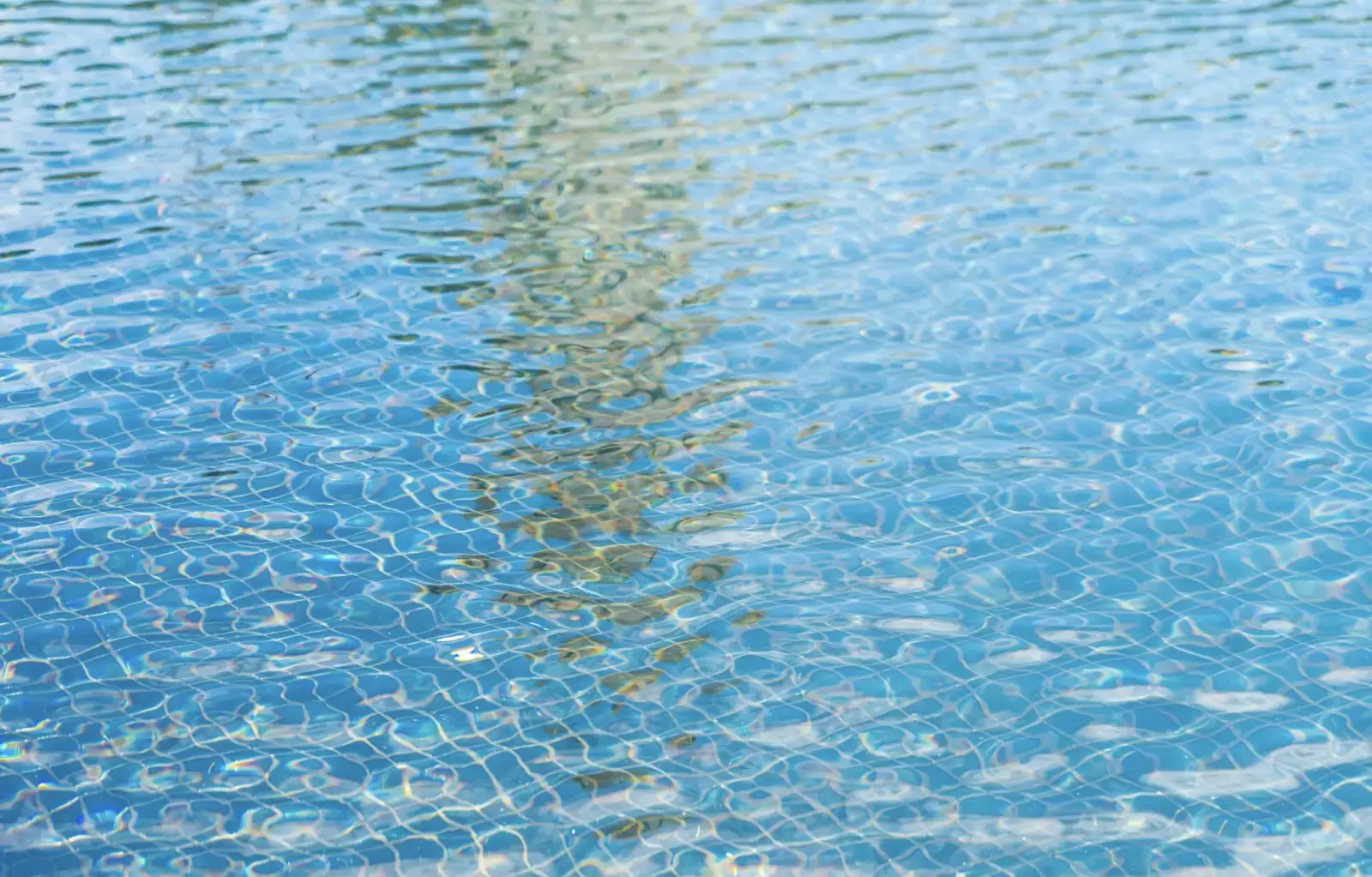
Swimming Pools
Pools running Branilium™ eliminate chloramine buildup entirely - guests notice the difference immediately, and so do the operating cost reports.
*Results from a validated pilot in a major automotive powertrain production facility. Outcomes depend on system conditions, liquid type, and correct sizing.
Cooling Towers
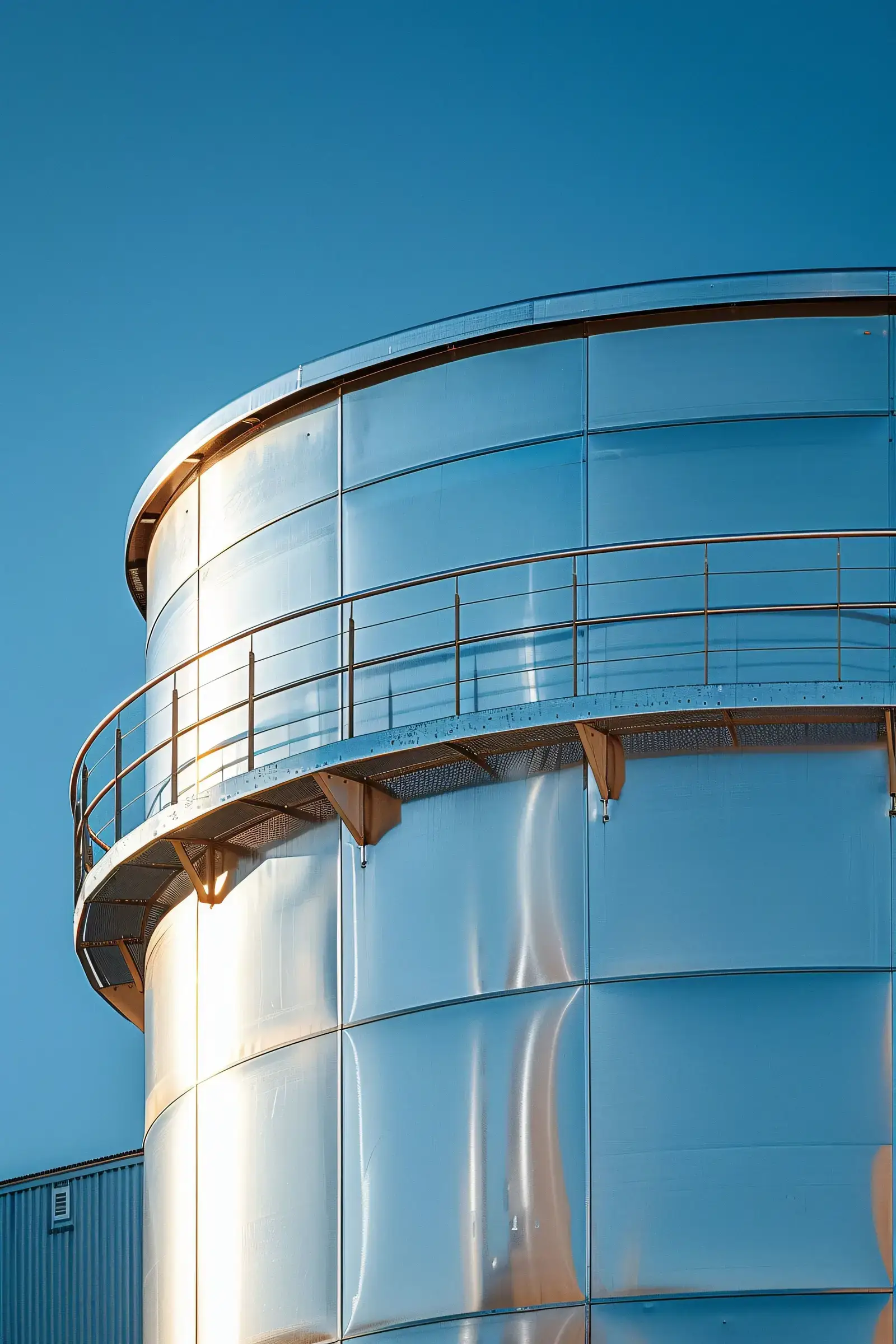
Cooling towers operate at the temperature and humidity conditions that Legionella thrives in. Without continuous, effective treatment, biofilm establishes itself in pipework and fill media, creating persistent pathogen reservoirs that periodic chemical dosing cannot reliably reach.

Legionella colonises cooling tower systems through biofilm - a protective layer that conventional biocides struggle to penetrate consistently. Branilium™ destroys pathogens at the molecular level, eliminating the biofilm conditions that allow Legionella to establish and persist, continuously and without chemical dosing cycles.

Conventional cooling tower treatment relies on frequent blowdown to manage dissolved solids and biological load - wasting significant volumes of treated water in the process. By stabilizing water chemistry and suppressing biological activity continuously, Branilium™ reduces pump failure, maintenance frequency and air pressure drops, decreases maintenance costs and energy consumption, increase lifespan of your carbo and nano filters, and lowers the chemical consumption/biocides required to maintain system balance.

Regulatory compliance for cooling tower water treatment is becoming more stringent across Europe, with HSE and local authority requirements increasing pressure on facility managers to demonstrate continuous pathogen control. Branilium™ is ISO 10993-5 certified non-toxic, produces no harmful byproducts, and provides a documented, verifiable treatment record - making compliance straightforward rather than reactive.
INDEPENDENTLY VERIFIED
ISO 10993-5:2009 is the international standard for biological evaluation of medical devices – it tests for cytotoxicity, irritation, genotoxicity and sensitizity. Branilium™ has passed all three. No biocides. No ozone. No harmful byproducts. For cooling tower operators managing Legionella liability and pool facilities responsible for public health, this isn’t just a product feature – it’s the answer to your compliance question.
Independently verified non-toxic, non-sensitizity, non-genotoxic, and non-irritating. Safe for human contact and ecosystem exposure.
Verified elimination of bacteria, viruses, Legionella, and emerging contaminants in live treatment conditions.
No ozone, no NOx, no chloramines, no toxic residues. Clean treatment that doesn't create a new problem while solving the original one.
Swimming Pools
In public swimming facilities, water quality is simultaneously a health requirement, a guest experience issue, and an operational cost center. Traditional chlorine-based treatment creates the very byproducts that drive complaints, staff health issues, and infrastructure degradation.

Chloramines form when chlorine reacts with organic matter introduced by bathers - producing the characteristic odor, eye irritation, and respiratory discomfort that guests and staff associate with poor water quality. Branilium™ eliminates chloramines and organic contaminants instantly, at a molecular level, removing the conditions that create them rather than simply masking the symptoms.
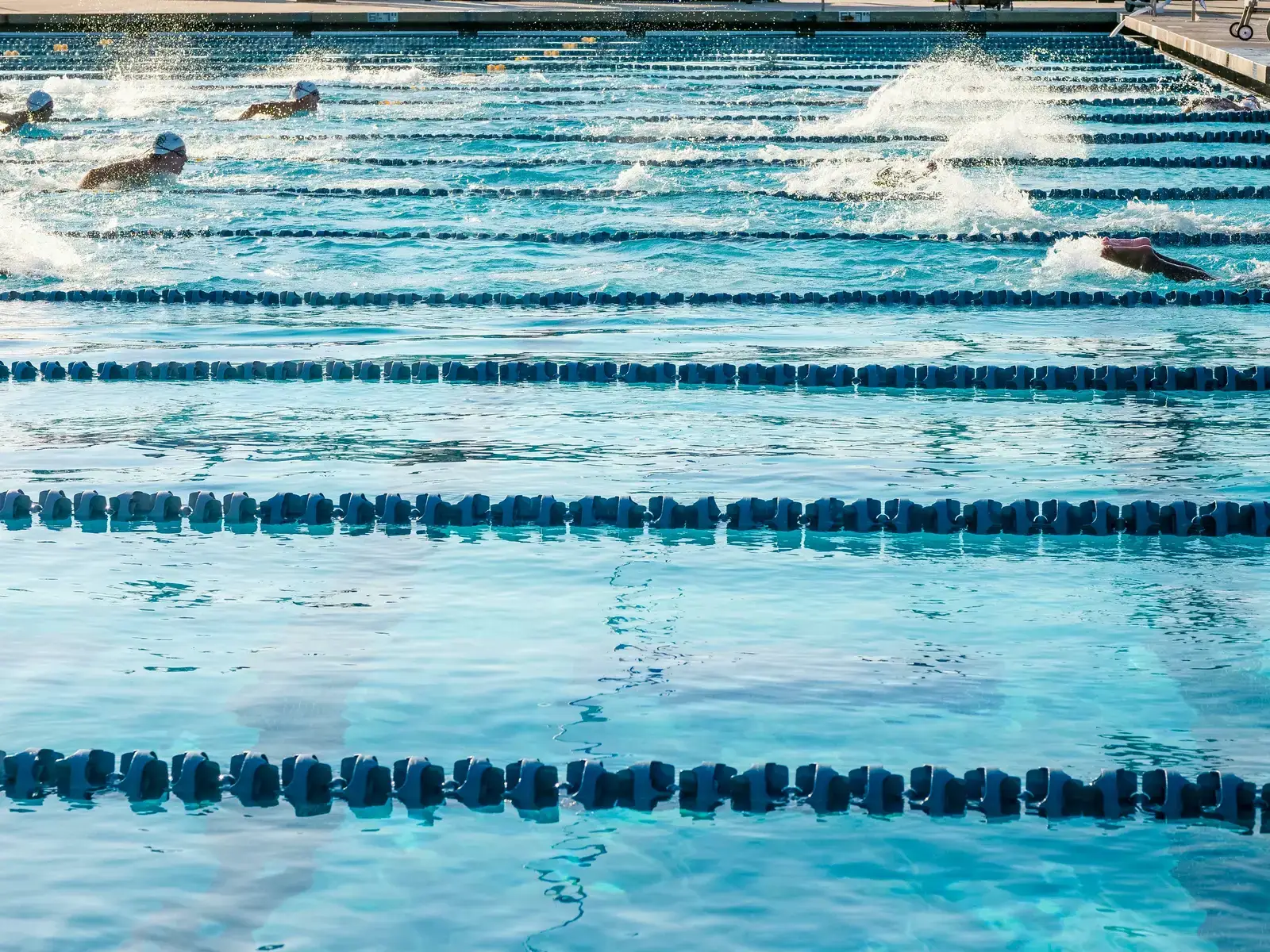
Swimmers, particularly children and competitive athletes spending extended time in the water, are directly exposed to the chemical and biological quality of pool water. Staff managing pool environments face ongoing respiratory exposure to chloramine off-gassing. Branilium™ is ISO 10993-5 certified non-toxic - verified safe for human contact and ecosystem exposure, with no biocides and no harmful byproducts.
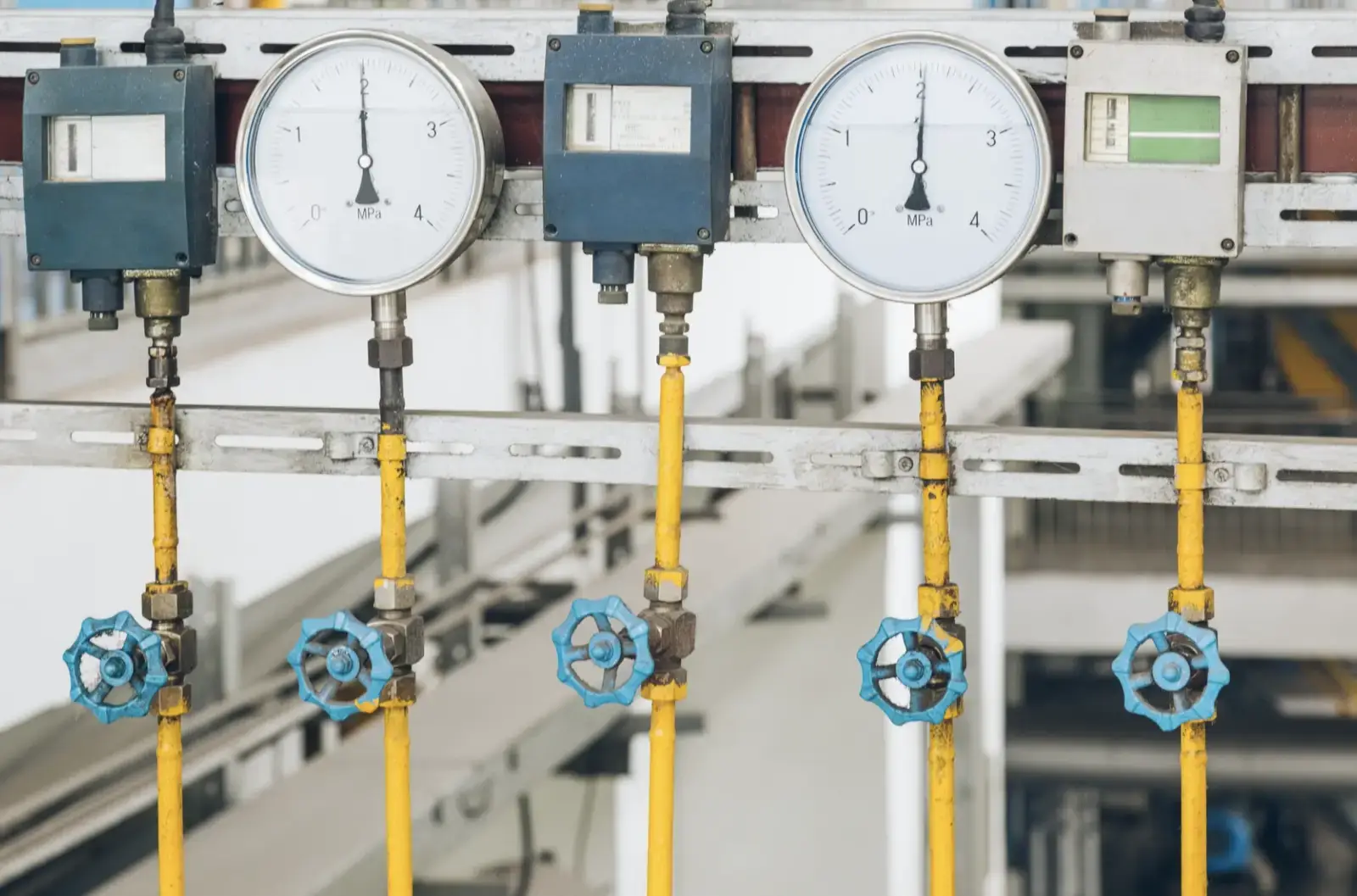
Chlorine procurement, dosing labor, and the infrastructure maintenance driven by chemical corrosion represent a significant and recurring operating cost for pool facilities. By stabilizing water biology continuously, Branilium™ reduces chlorine dependency, extends the service life of pool infrastructure, and converts reactive chemical management into a predictable, low-intervention system.