
How We Work

Step 1

Step 2
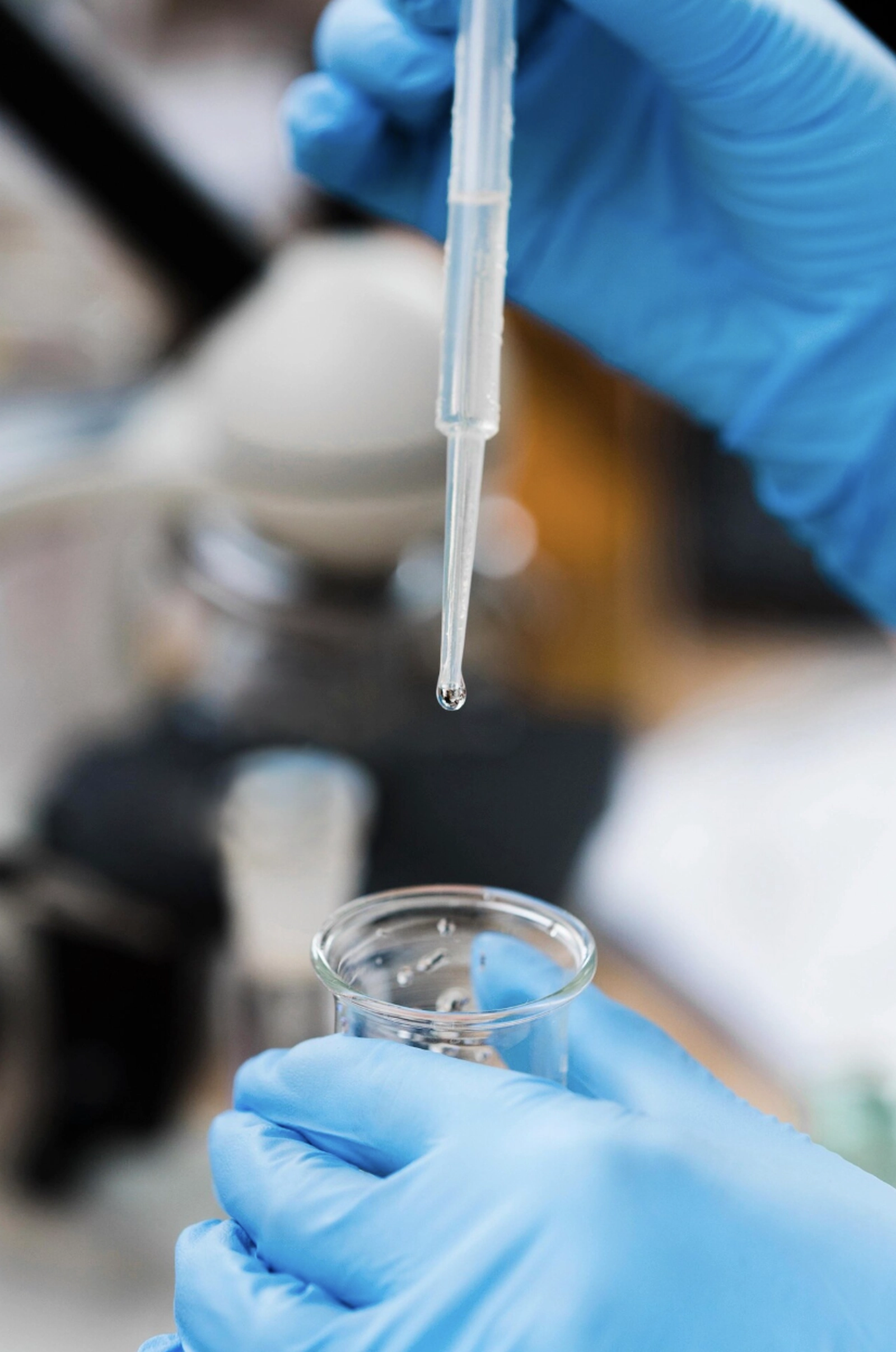
We analyze the current condition of your liquid alongside any existing analytical data you have. Then we run bench tests – mandatory, without exception – to calibrate the exact treatment requirements for your specific fluid.
Step 3
Laboratory systems are stable. Industrial systems are not.
Real production environments introduce variability that no bench test can fully replicate – contamination spikes, operator behavior, temperature cycles, production changes. We apply engineering safety margins that account for all of it, ensuring the system performs under your worst conditions, not just your average ones.
At this stage we also plan sensor integration – the monitoring infrastructure that will allow the system to continuously track process conditions and dynamically adjust capacity as your operation changes.


Step 4
With the bench data and safety factors established, we design the physical configuration of the IPC platform around the physics of your facility.
Every configuration uses clearly defined models and add-ons. No unnecessary complexity. No guesswork.
Step 5
Because reality always wins.
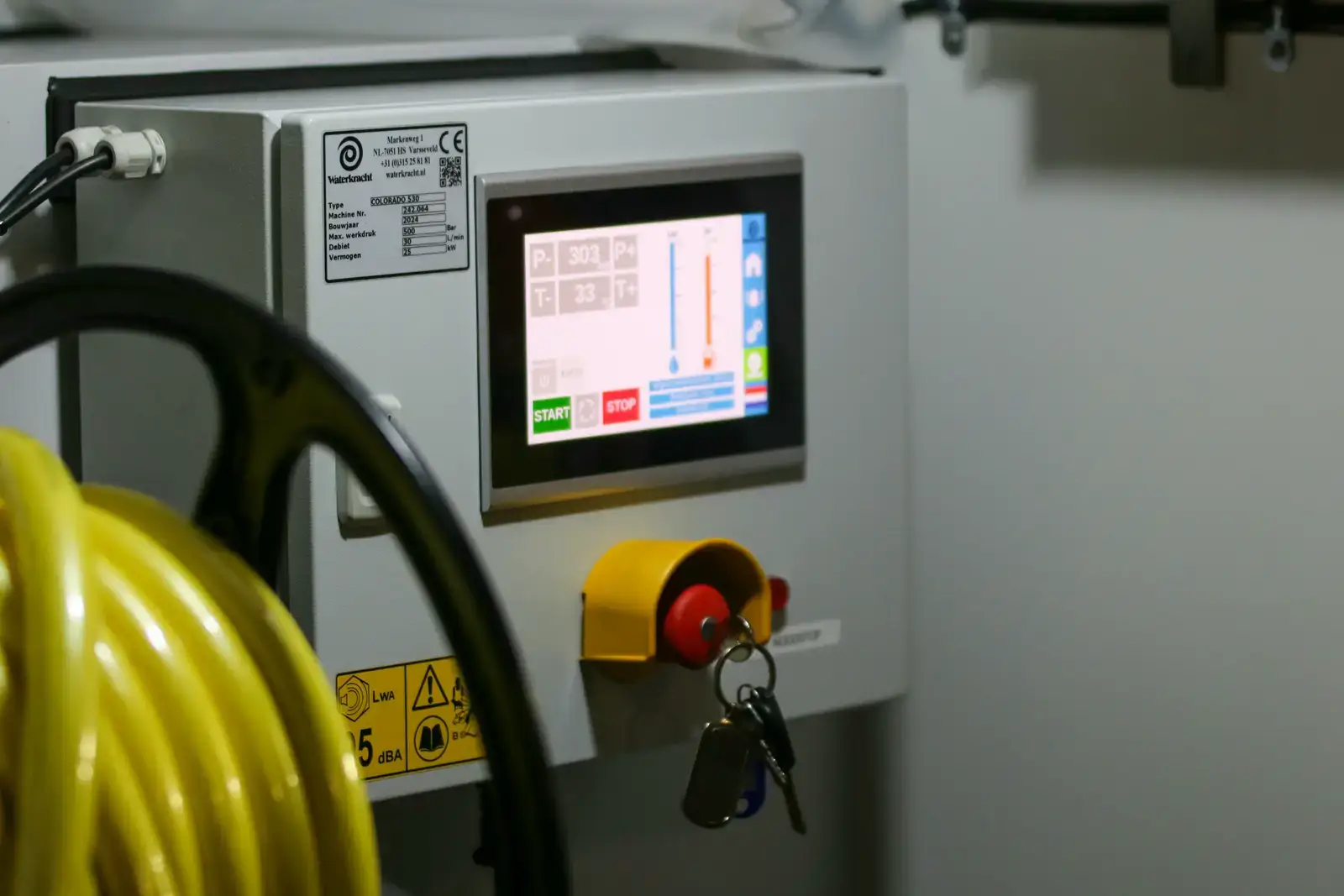
We run the system under real production conditions and optimize the setup to handle what the bench tests approximated – regrowth behavior in your environment, your oil and additive variability, your temperature cycles, your filtration conditions, your production spikes.
We adjust until stable, verified performance is confirmed. Not assumed. Confirmed.

Step 6
Final system sizing and design curves are issued only after the system has demonstrated stable, leak-free, verified long-term behavior under real conditions.
This is not a formality. It is the point at which we can say with certainty that the configuration will hold up in your operation – because it already has. Every number we issue is based on proven operational results, not projections or catalog values.
Answers to common questions about how we work.