
1 liter of process fluid carries the contamination load of 1,000 liters of drinking water. Yet it is rarely treated with the same rigour. That gap is where instability starts, and where costs quietly compound.
Industrial process fluids are not water. They are chemically active, biologically aggressive, and continuously contaminated by the production processes they serve.
One liter of untreated cutting fluid can carry the contamination load of 1,000 liters of municipal wastewater. Bacterial counts reach 10⁷ CFU/ml. COD levels are extreme. Oils, metal particles, surfactants, and additives create a biological environment that conventional treatment systems were simply never designed for.
Fluid degrades ahead of schedule. Bacterial growth clogs nozzles and degrades surface quality. Odors develop. Operators are exposed to health risks. Change-out cycles shorten. Disposal costs climb. Production stops become more frequent and harder to predict.
Conventional technologies struggles with turbid or particle-heavy fluids due to shadowing. Ozone can introduce chemical instability in sensitive formulations. Biocides add toxicity without addressing the root cause. The result is often a cycle of reactive maintenance that never fully stabilizes the system.
The IPCx platform was engineered to break that cycle.
Metalworking
Two industries. The same uncompromising standard.
Automotive manufacturing
Bacterial growth in process fluids and wash water degrades surface quality, fouls systems, and causes unplanned production stops. In high-volume automotive environments, the consequences compound quickly.
Metalworking
Cutting fluids degrade fast. Bacteria and tramp oil destroy stability, create foul odors, cause foaming, and expose operators to serious health risks. Thge IPCx platform was built to solve this.
*Results from a validated pilot in a major automotive powertrain production facility. Outcomes depend on system conditions, liquid type, and correct sizing.
Automotive Manufacturing
In automotive production environments, fluid contamination is not just an operational inconvenience, it is a direct threat to part quality, surface integrity, and production continuity.

Oil-eating bacteria destroy fluid stability from within. As bacterial colonies grow, they break down the chemical balance of process fluids, accelerating degradation, creating foul odors, and compromising the lubrication and cooling performance your machining processes depend on. The IPCx platform eliminates the bacterial load continuously, stopping degradation before it starts.
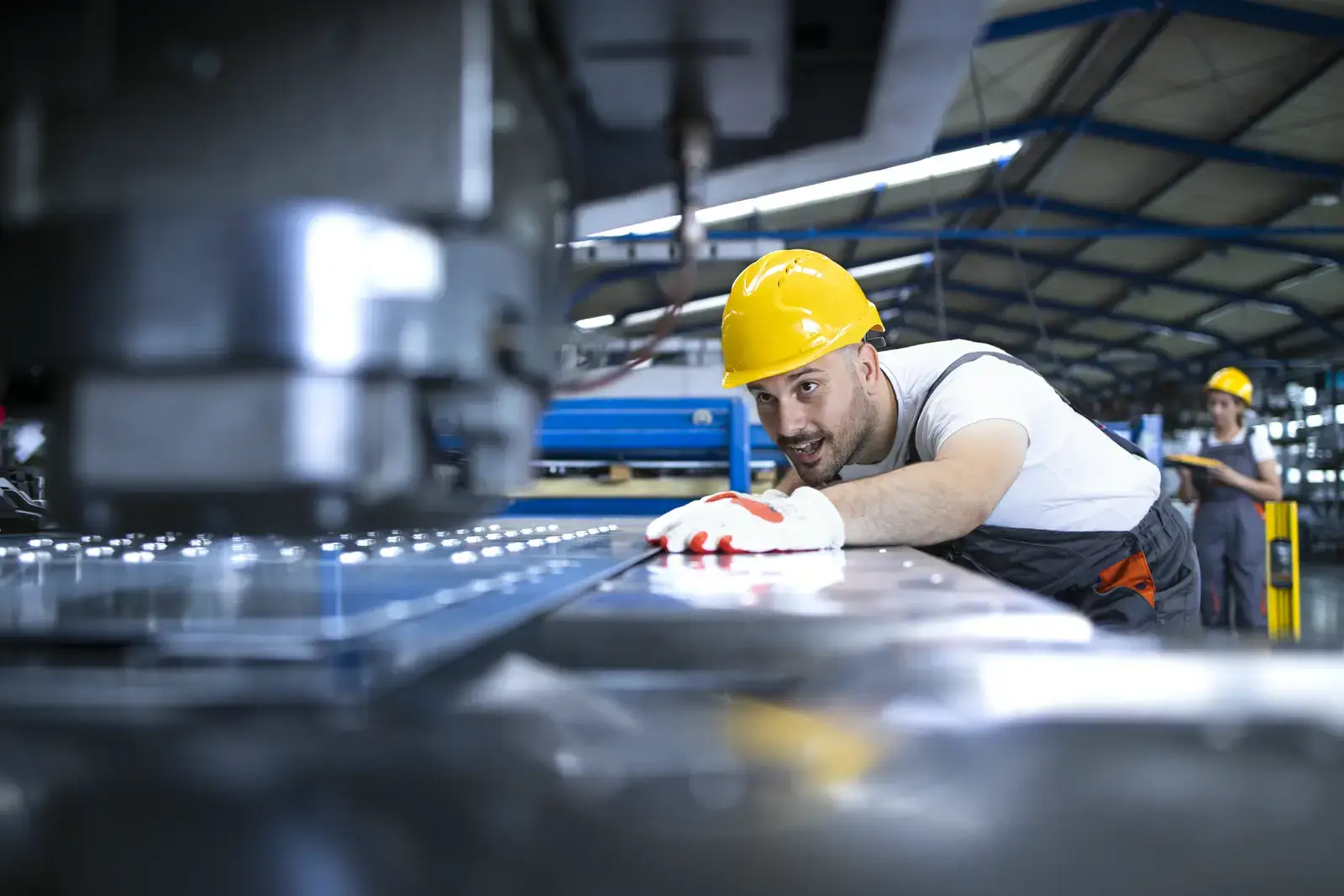
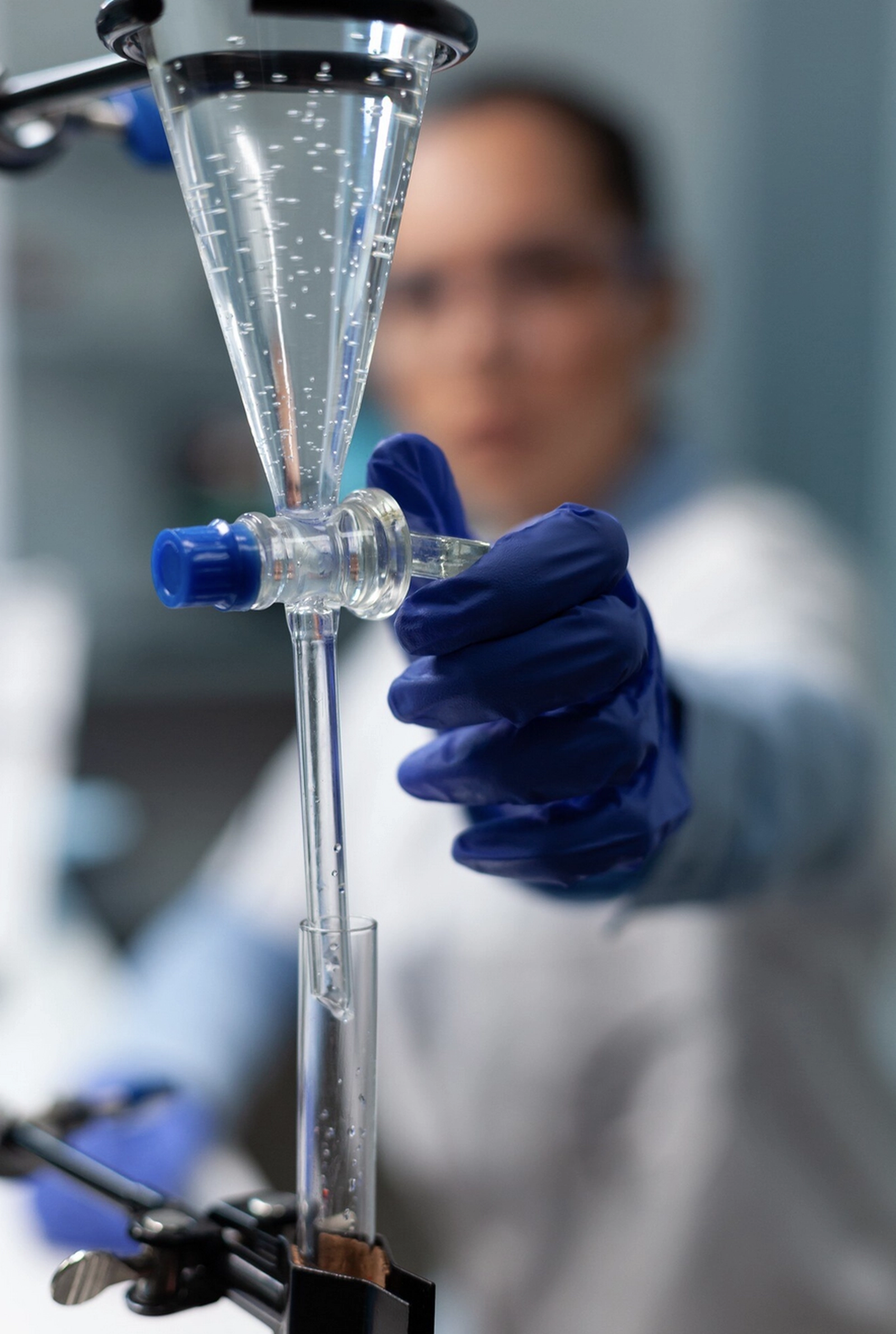
Wash water contaminated with biological and chemical impurities leaves residues on machined parts that cause surface defects and increase rejection rates. The IPCx platform keeps wash water clean and consistent, ensuring every part meets your quality standards. In a validated automotive production environment, the IPCx platform delivered a 40% reduction in material rejection rates.*
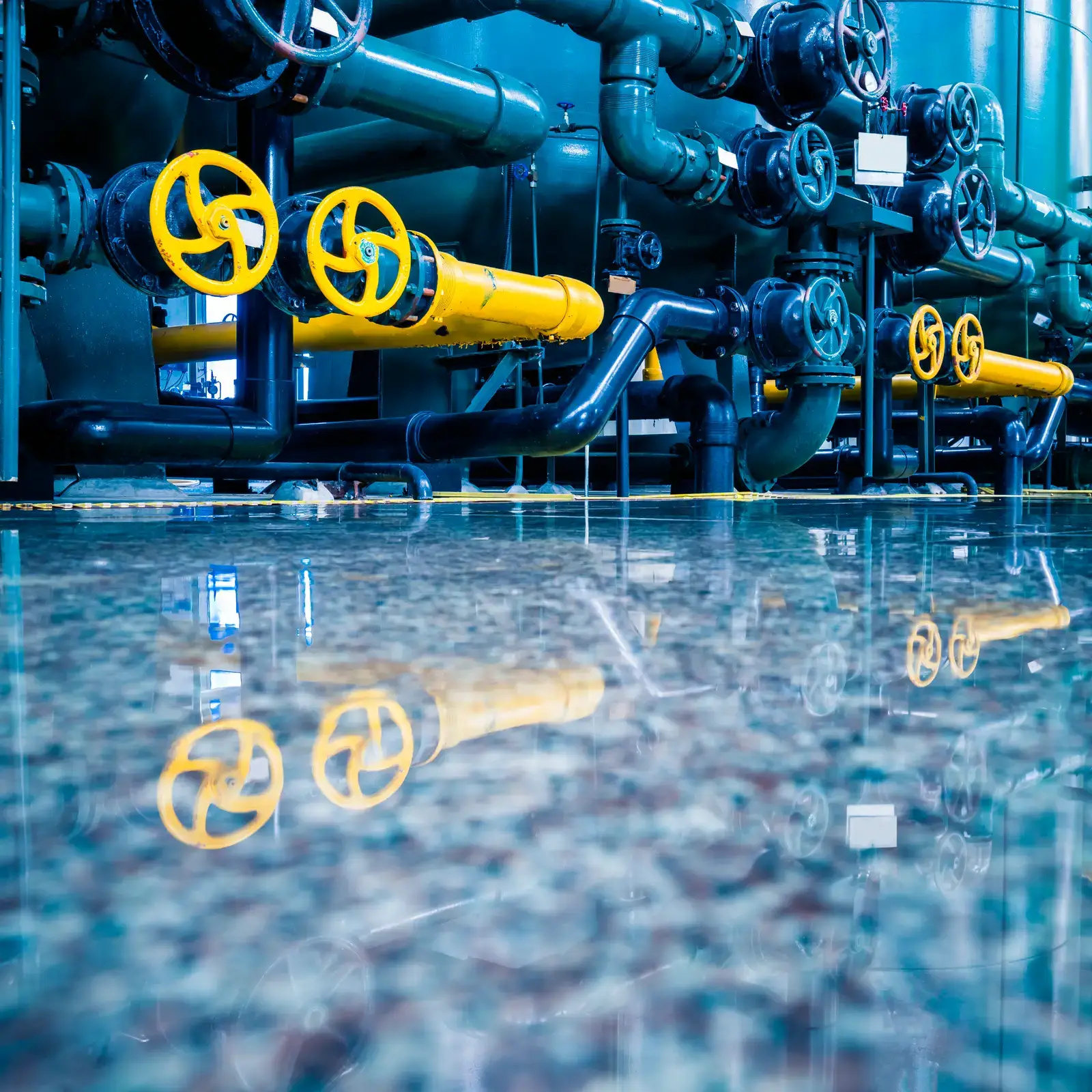
Closed-loop water recycling for painting and washing lines reduces waste, cuts disposal frequency, and lowers your environmental footprint. The IPC platform makes sustainable manufacturing operationally viable, not just aspirational.
*Results from a validated pilot in a major automotive powertrain production facility. Outcomes depend on system conditions, liquid type, and correct sizing.
Automotive Manufacturing results
extension of metalworking fluid lifespan
reduction in material rejection rates
of production loss prevented per week
CO₂ eliminated annually
Metalworking
In metalworking environments, cutting fluid degradation is one of the most persistent and costly operational challenges, affecting machine performance, operator health, and production continuity simultaneously.

Bacteria and tramp oil destroy fluid stability from within. As contamination builds, cutting performance deteriorates, odors develop, and foaming begins to affect machine operation. The IPCx platform eliminates the bacterial load continuously and stabilizes fluid chemistry, extending coolant life from weeks to months and dramatically reducing change-out frequency and disposal costs.

Bacterial aerosols from contaminated cutting fluids are a serious occupational health risk. Operators exposed to infected mist face skin conditions and respiratory issues. The IPCx platform eliminates the pathogens at source, keeping your fluid safe for the people working alongside it every day.
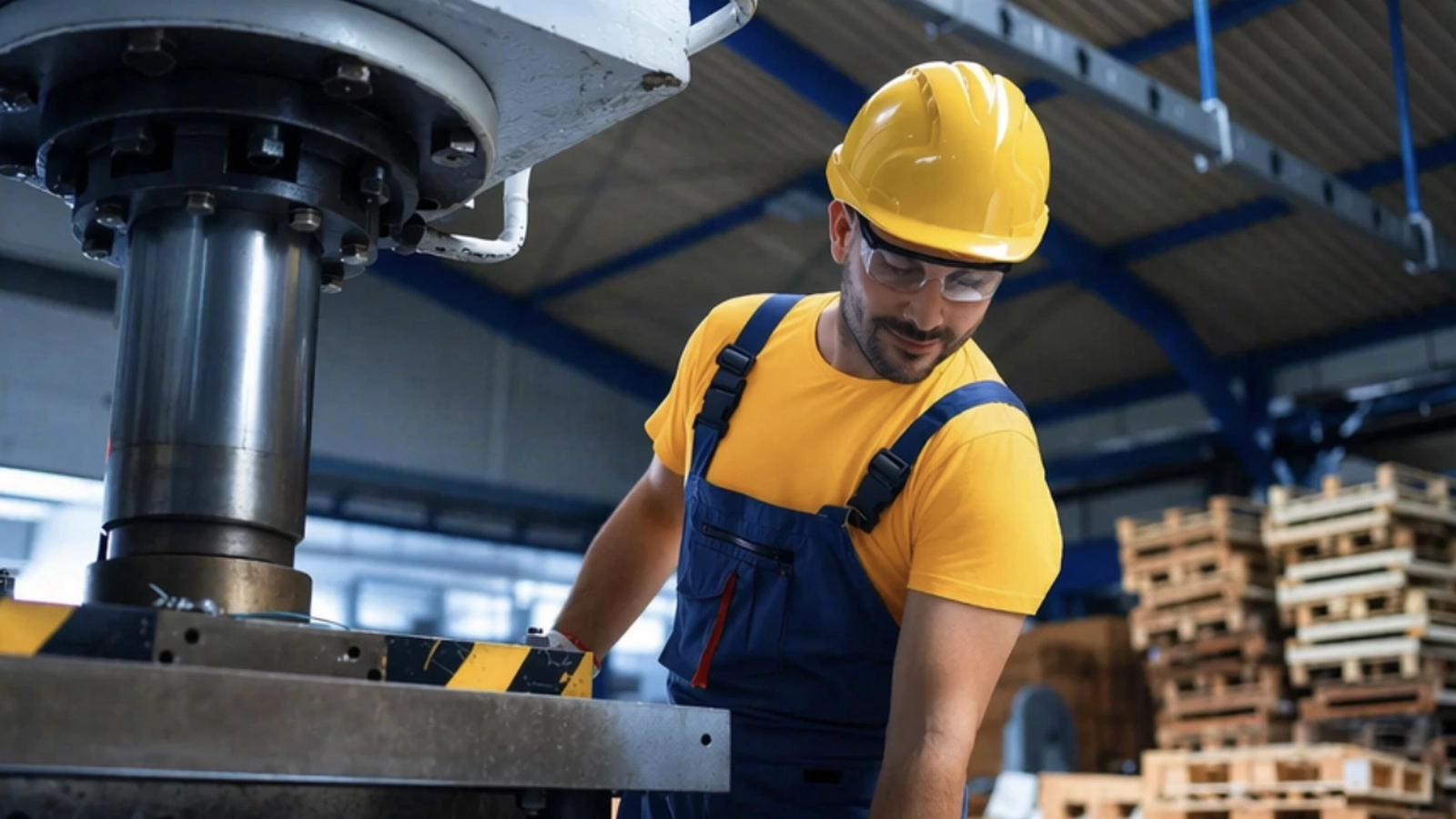
Contaminated fluids clog nozzles, degrade lubrication quality, and compromise cooling curve integrity. The IPCx platform keeps fluid chemistry stable and consistent, ensuring your machines perform to specification and your parts meet quality standards.